A fourth natural water retention area in the Senne basin in Wallonia is ready!

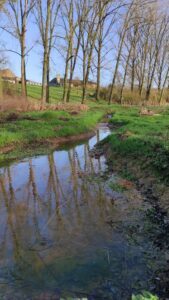
A new natural water retention area is ready at Gaesbecq! It is located on Ry Ternel, a tributary of the Sennette and is part of the Walloon Senne sub-basin.

Work began in March 2022 and was recently (January 2023) completed. This is the fourth water retention area in Wallonia constructed with the support of LIFE Belini. It joins those of Coeurcq (Tubize), Brancart (Braine-le-Château) and Cafenière (Soignies). With a storage capacity of 54,000 m³, its construction protects Ittre’s town centre from flooding. Moreover, a number of provisions for biodiversity and ecosystem services have been made in the area, such as ponds, river banks and planting.

This project is a collaboration between Ittre’s municipality, the Walloon Brabant province, the intercommunal inBW, SPW-DCENN, Contrat de Rivières Senne and the European Union through the LIFE Belini project.

Successful Dyle-Senne day: (Long) live the Woluwe

On 14 October, the Flemish Environmental Society and Strategic Project Woluwe organised the third Dyle-Senne Day in Kraainem. A very successful edition with some 100 interested participants and a flying start for the strategic project ‘Leve(n)de Woluwe’ ((Long) live the Woluwe) in which numerous partners showed their commitment to restore the river valley!

Report on Pressure and Impact Analysis Senne has been submitted!

Each Member State must prepare a Pressure and Impact Analysis every six years. This report describes man’s pressure on the water system and the impact we have on the ecosystem. This analysis is crucial in preparing the programme of measures to restore ecological water quality in all water bodies. In Belgium, each region (Flanders, Brussels and Wallonia) conducts these Pressure and Impact Analyses. They all use the WEISS (Water Emission Inventory Support System) tool for this purpose. However, because of different approaches (source-process-oriented view), load estimates, problem pollutants (context), etc. in the different regions, several insights are possible. That’s why it could be valuable to look at this in a cross-regional way. We could, for example, learn more about the pressures and impacts on our water system as a whole and may be able to detect, and take, any necessary action as needed. This exercise was created for the Senne, a river that crosses the three regions, and poses its specific challenges in each region.

IJse in Overijse once again exposed to daylight!

The IJse once again brightens the street scene near the little park in the Jan Baptist Dekeyserstraat in Overijse.

The sewerage works in the Jan Baptist Dekeyserstraat in Overijse presented us with the opportunity to open up the culverted IJse here.

To this end, the province of Flemish Brabant and the municipality of Overijse joined forces, in collaboration with Aquafin.

A stretch of water of some 60 metres is now exposed to daylight once again. “These works are in line with our previous efforts to increase the ecological quality of the IJse,” said Bart Nevens, deputy for waterways.

To open up the IJse, the province of Flemish Brabant, with support from the LIFE Belini project, invested 90,000 euros.

The works took place in the autumn of 2021. Meanwhile, a year later, they are well integrated into the landscape.

In Belini, these works fit within the broader narrative of the “Structural Restoration of the IJse valley.”

Adjustment overflow Rampe du lion favorable for the aquatic life of the Senne

With the help of the European LIFE Belini fund, VIVAQUA has adapted the first of the three large “Combined Sewer Overflows”, near the Rampe du Lion at Nouveau Maalbeek. This overflow is located in Brussels, at the crossroads between the outfall collector and the New Maelbeek collector, and provides an overflow between the sewerage network and the Senne during rainy periods.  

During heavy rainfall this combined sewer overflow infrastructure frequently allowed water from the sewage to flow into the Senne.  Elevating the wall from this overflow infrastructure in the sewers will result in a significant decrease of overflow events, overflow volumeand fewer oxygen crises for the aquatic life of the Senne (macro invertebrates, fish).

The sea starts here

As a symbolic action during our Fiere Rivers campaign, sewers in all regions would be tagged ” The sea starts here “. This is to make people aware of the consequences of waste in the water. Action was therefore taken in the various regions.

Fiere Rivieren Kick-off

22 maart is het Wereldwaterdag en dat wilden we niet zomaar voorbijdrijven. In Vlaanderen, Brussel en Wallonië wilden we twee weken lang het belang van gezonde rivieren vieren met tal van gratis wateractiviteiten voor jong en oud. Op 9 maart gaven we het startsein voor de campagne bij onze uitgevoerde werken aan de Paempsemlaan in Brussel. Helaas bleef het daarbij.

In Brussel en Wallonië bestaan de “Waterdagen” al verschillende jaren, in Vlaanderen zou dit een primeur geweest zijn dankzij de ondersteuning van Belini. Naast het openingsevent aan de de Paepsemlaan stond onder andere een demonstratie van de waterkwaliteit aan het Sluispark in Leuven, de verkenning van de natuurlijke waterbekken aan de Coercq in Tubeke op het programma. Een sfeerimpressie van het openingsevent en een mooie timelapse video van de werken in Brussel vind je hieronder.

Belini attends Dyle-Senne day in Mechelen

Belini attends Dyle-Senne day in Mechelen

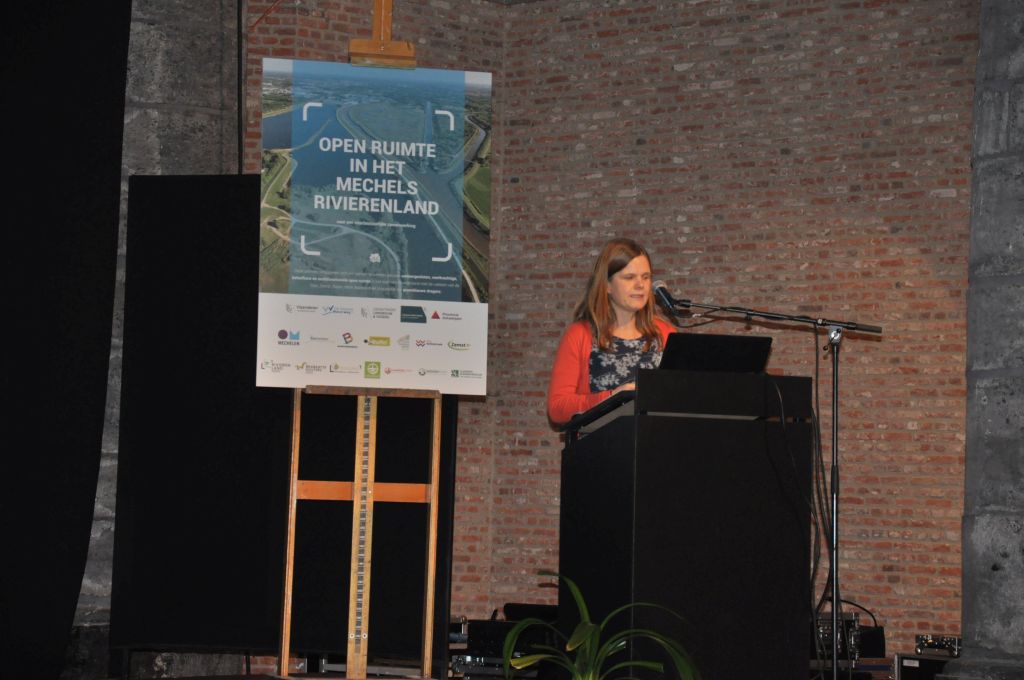
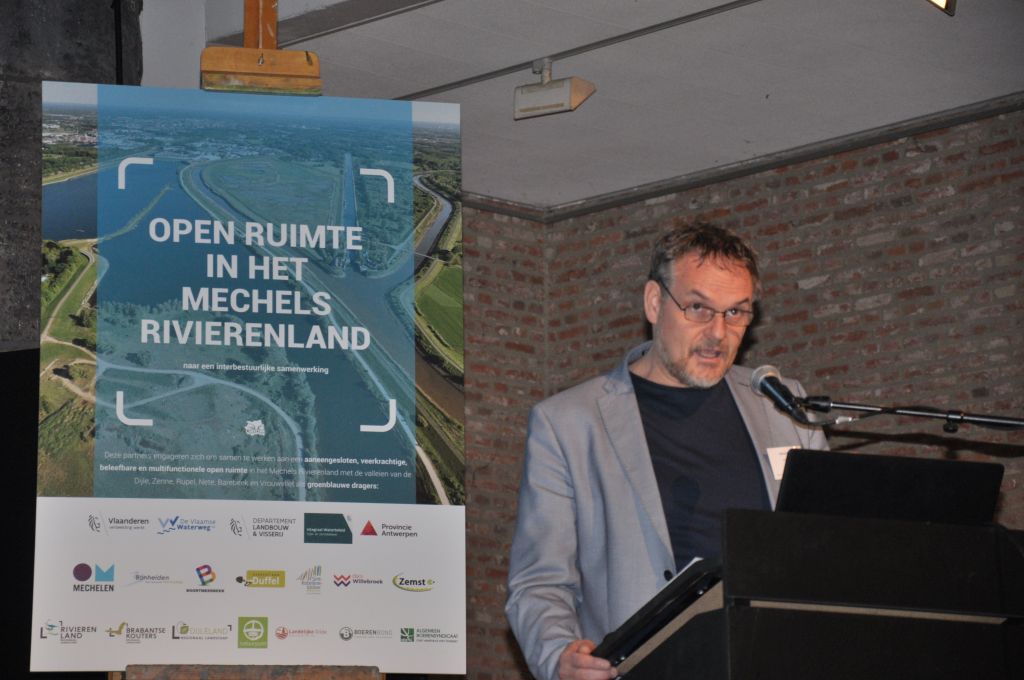
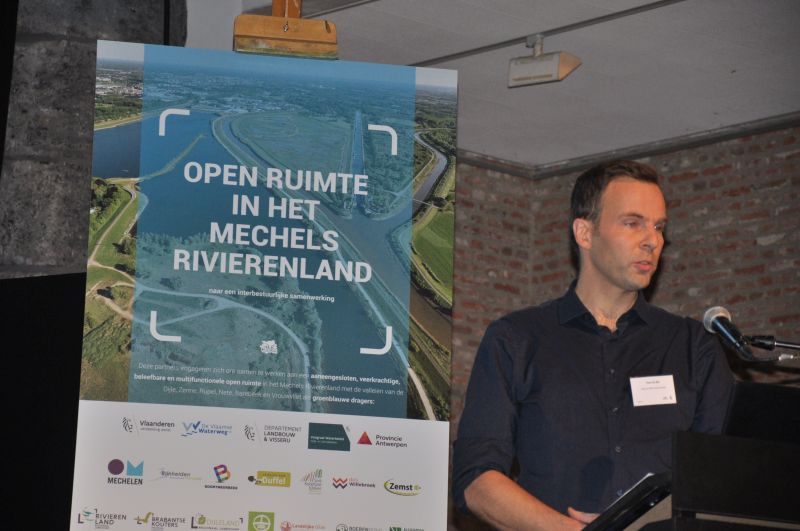
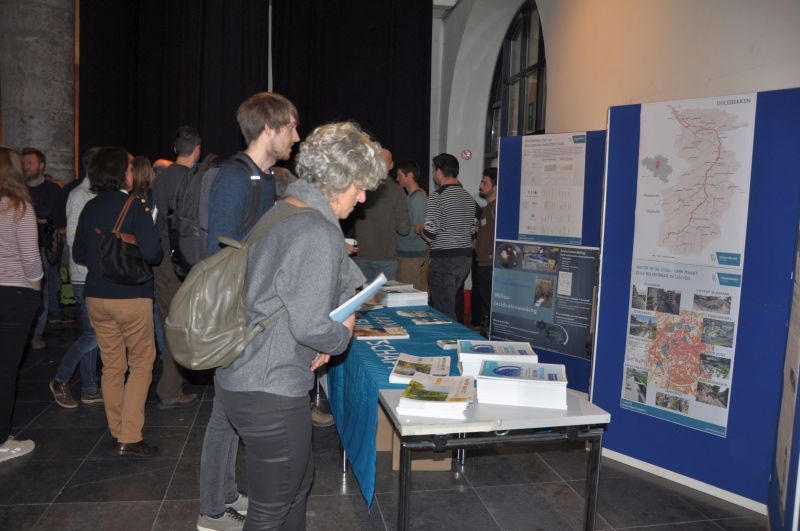
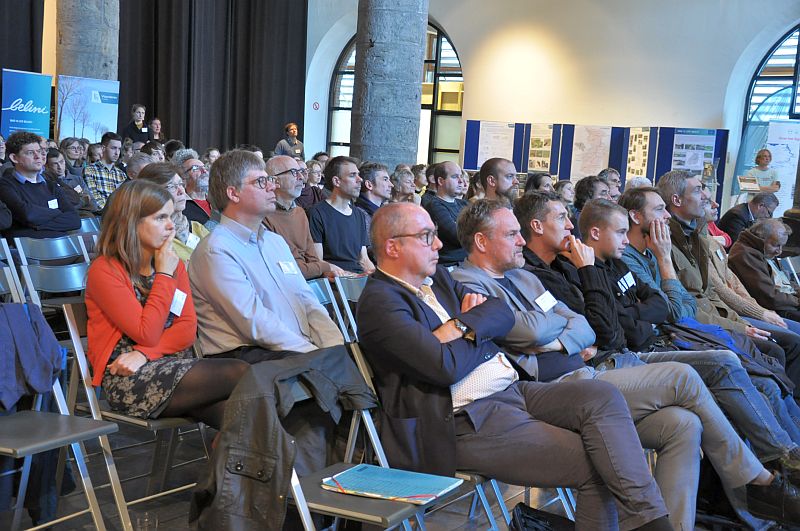
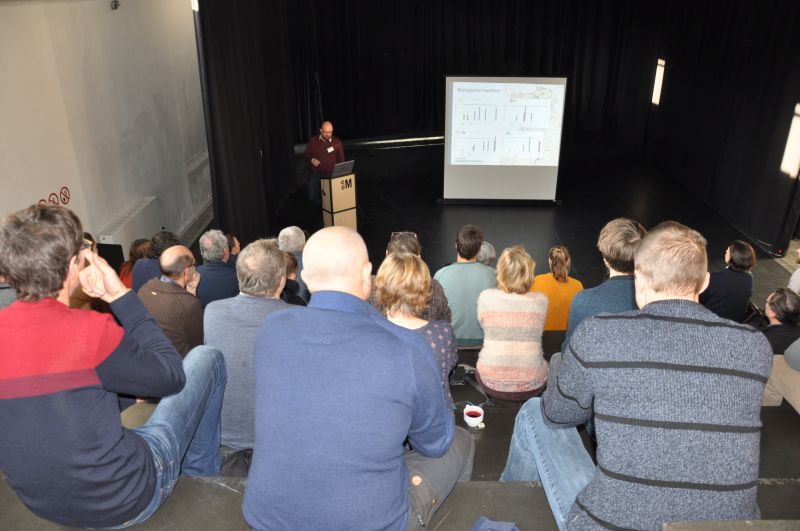
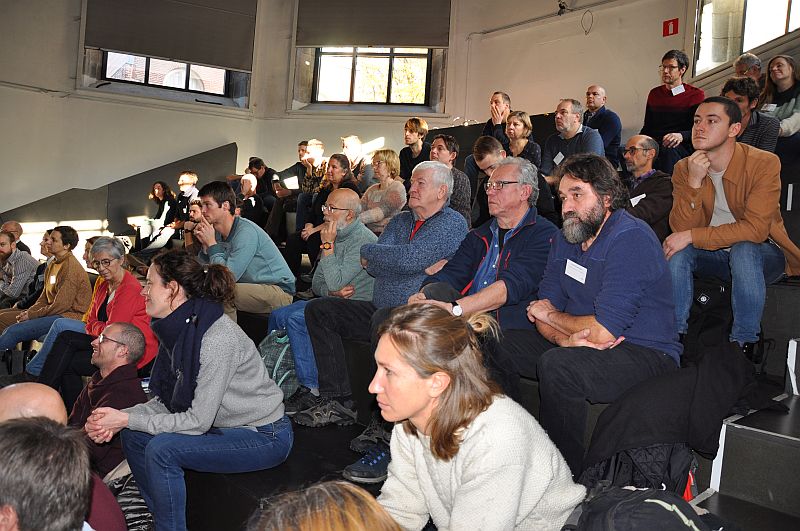
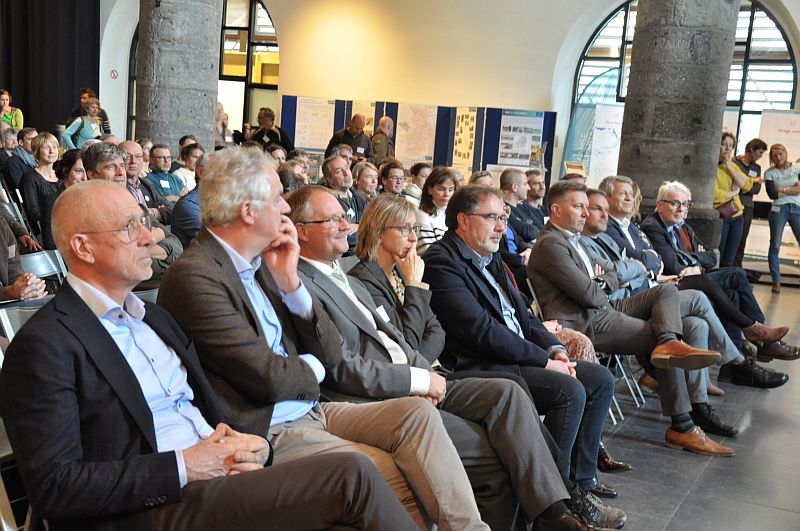
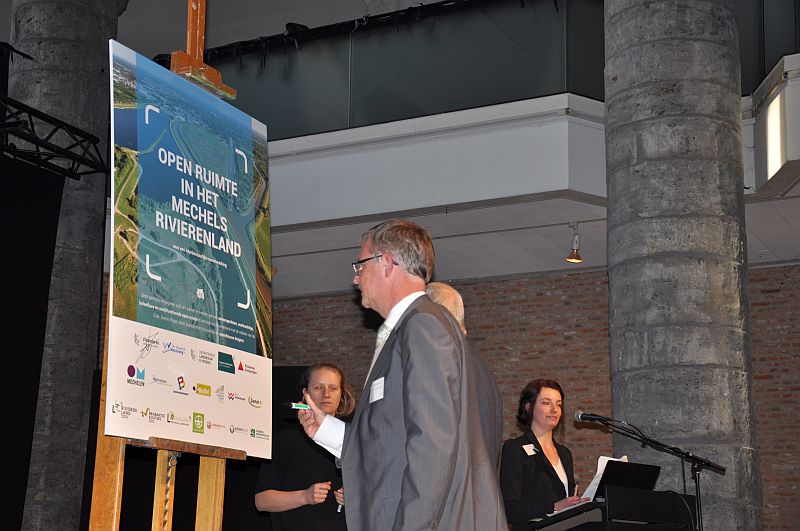
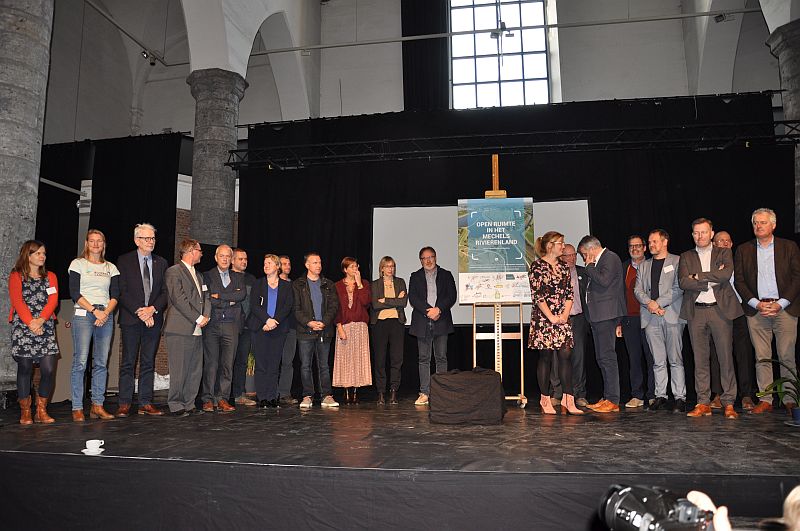
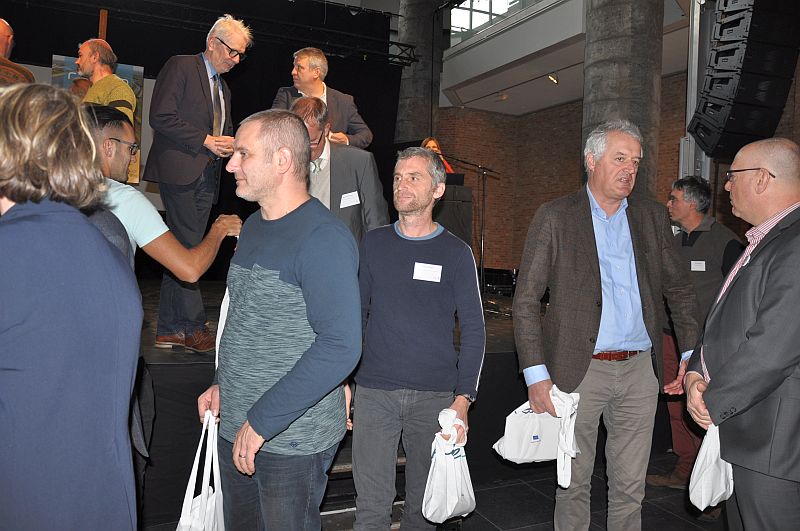
On 22 November, no less than 138 participants came to the Cultural Centre in Mechelen for the second Dyle-Senne Day.

As part of Life Belini, we were obviously also present on this important day for our project zone.

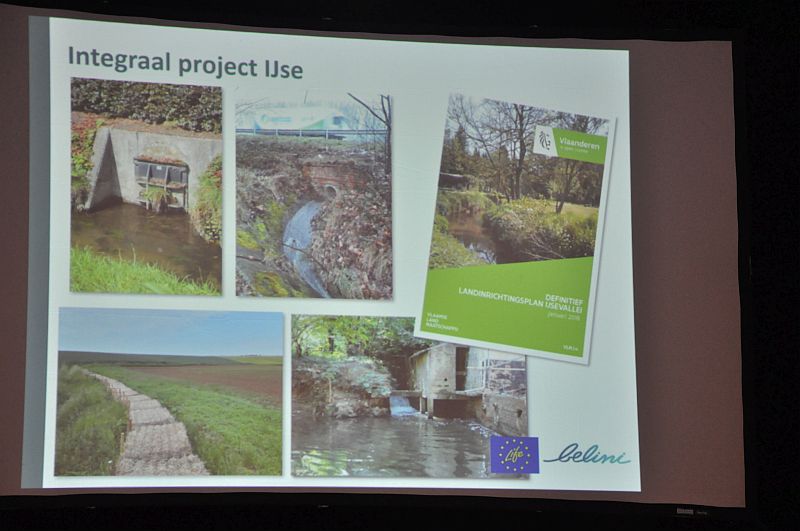
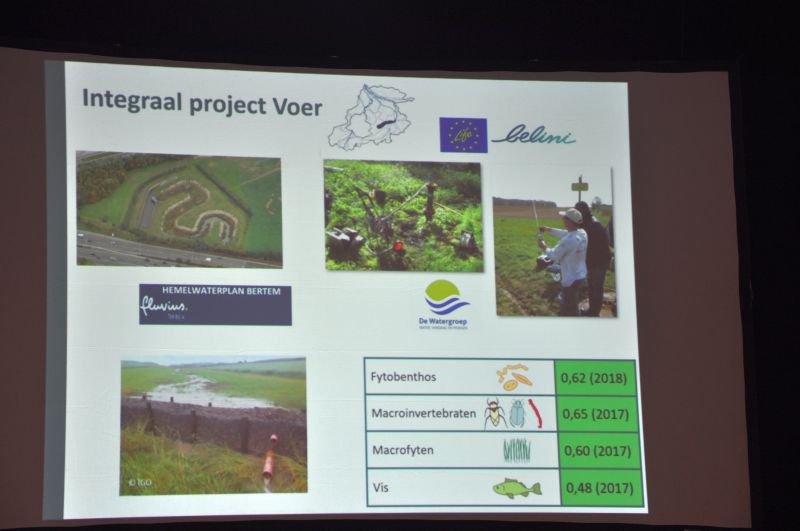
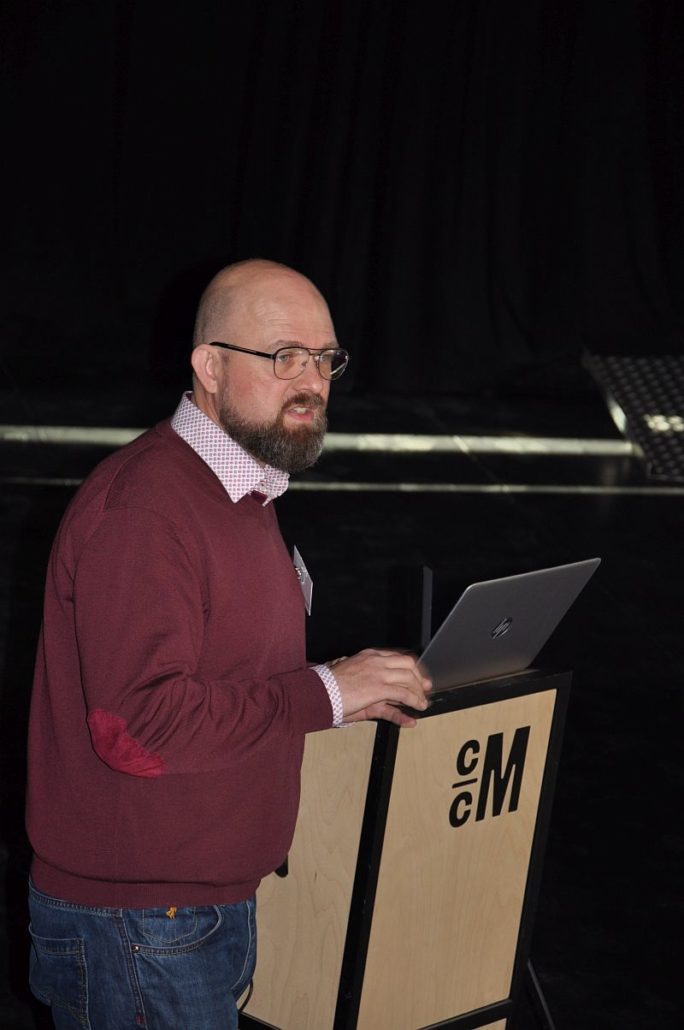
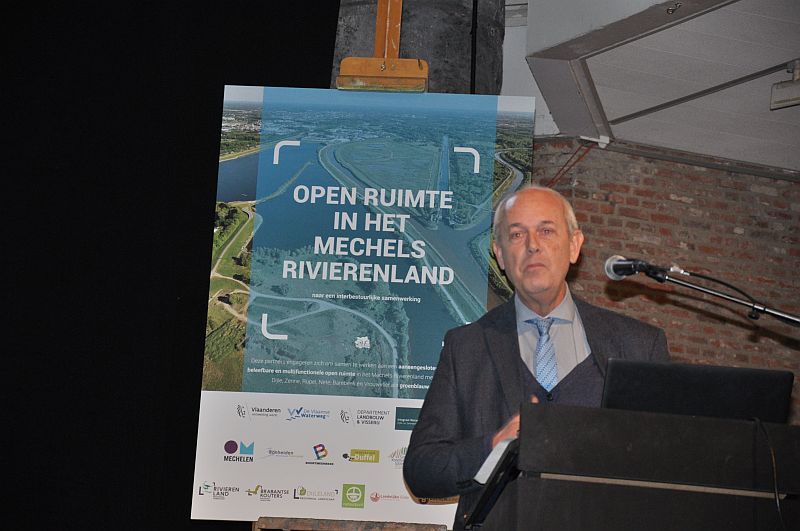
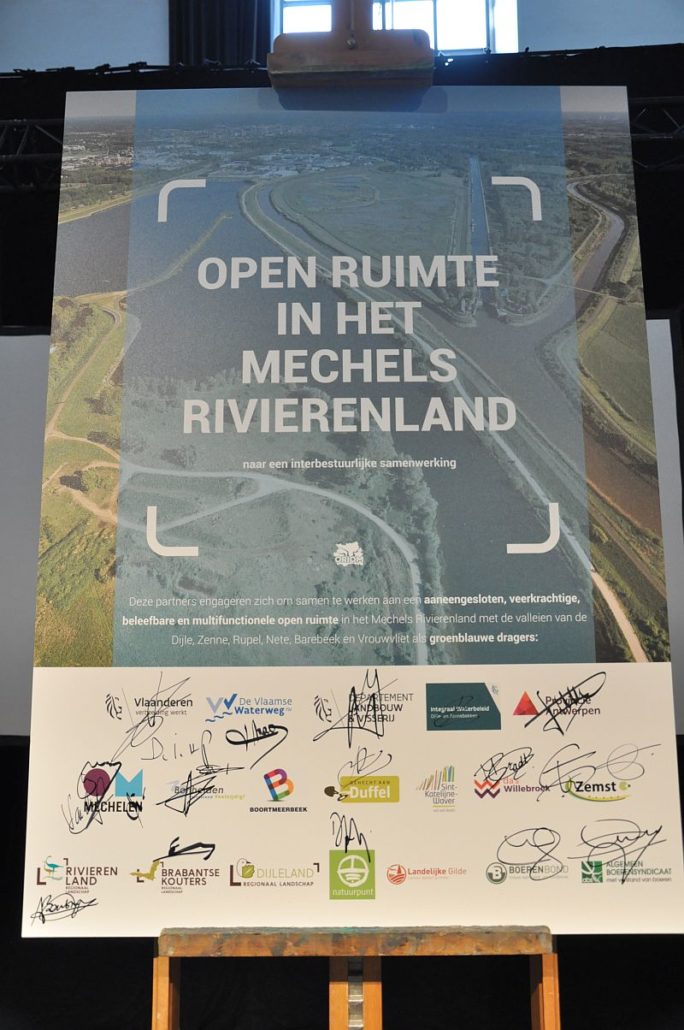
It was a very successful and busy edition, which began by introducing the Integral Water Policy and the regional vision being prepared on the rivers Dyle and Senne. Orion continued by explaining the charter for intergovernmental collaboration on the open space in Mechelen’s River district.

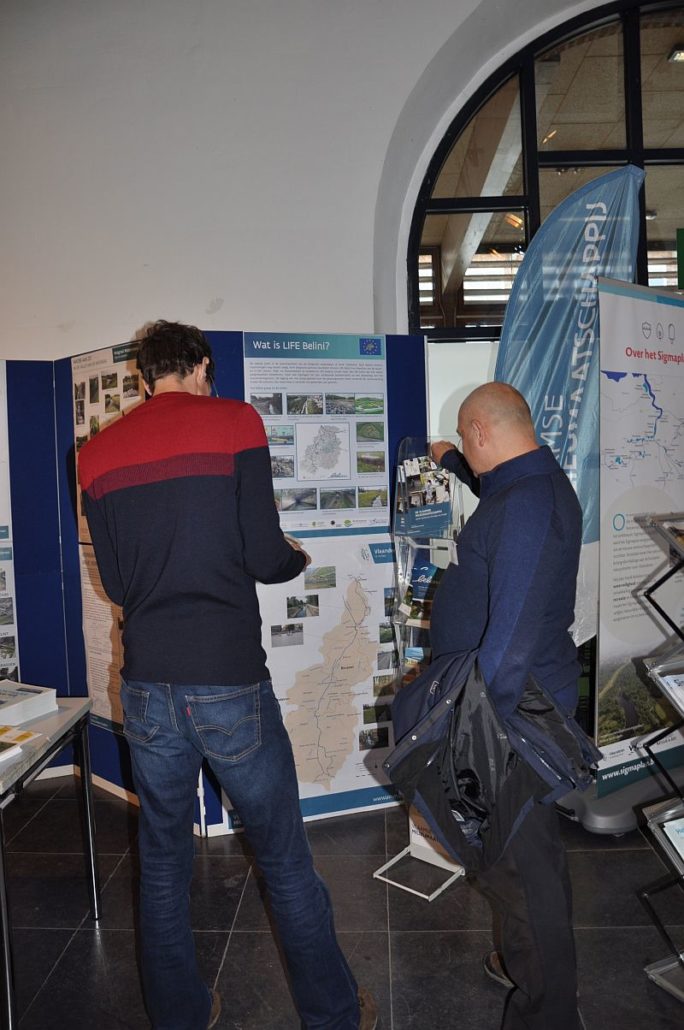
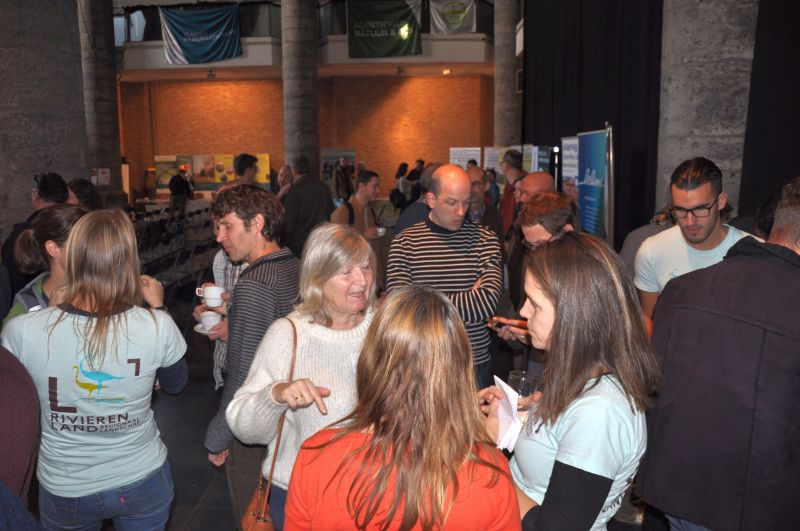
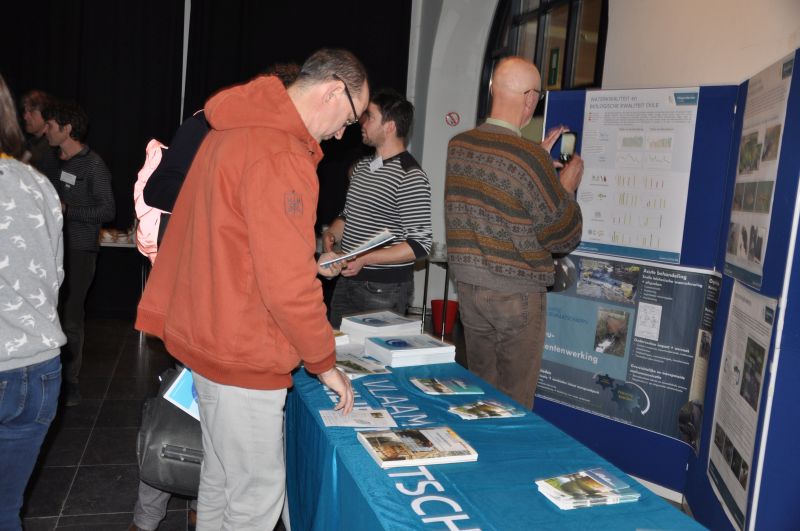
During a well-deserved coffee break, visitors were able to visit the various stands at the info market, including our own about the Belini project. The morning session resumed with some exciting inspiration sessions about ‘daring to choose open space’, ‘water as a leverage for the landscape’, and ‘the heart of nature’.

The morning ended with all partners signing the strategic project ORIOM, the charter for intergovernmental collaboration on the open space in Mechelen’s River district. In the afternoon, the various accomplishments could be viewed in practice. The bike rides, walks and boat trips in the sunshine topped the day off!

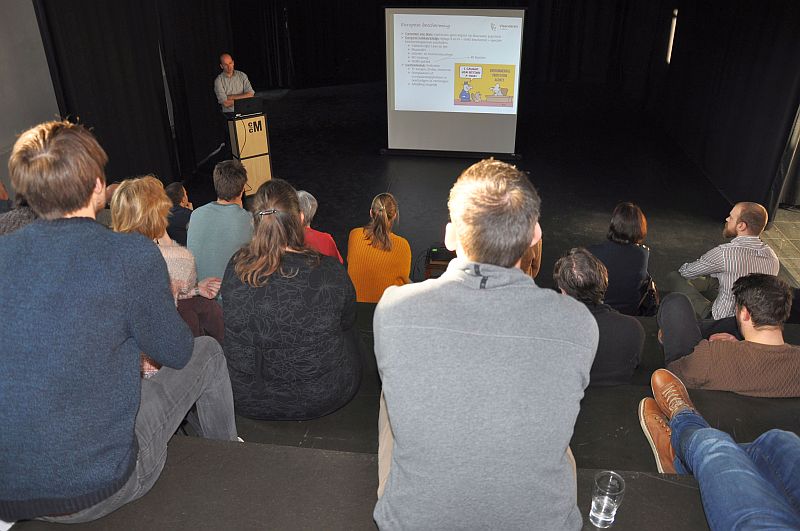
European workshop on the implementation of river basin management plans

On 14 November, we organised a workshop on the implementation of ‘deviations’ to the river basin management plans. With 100 participants and a lot of knowledge shared, we can safely say the workshop was a success.

The Water Framework Directive aims for good water conditions, ideally in 2015. Many member states cannot yet meet this and are therefore defending the need for “deviations” referring to technical feasibility, affordability or the speed with which the water system can restore itself. This evaluation and its underpinning arguments must be included in the river basin management plans.

From 2027, however, a number of the potential deviations will cease to apply, in particular the term extension owing to technical feasibility or affordability. Given that most member states are using precisely these arguments, ample work is underway to review what the consequences of this would be and how the future plans could be drawn up.

The workshop took place within the “common implementation strategy”. Ever since the directive was introduced – in December 2000 – the member states, the European Commission and the stakeholders have been working together to implement the Water framework directive within this context. The Belini project provided practical support.
Representatives from 8 different member states explained their experiences, along with sharing ideas on the future River Basin Management Plans. The participants appreciated the open sharing of knowledge, but also emphasised that further collaboration and information sharing would be of the utmost importance.

Successful inauguration of fish ladder at Sluispark in Leuven

On Sunday 13 October, we inaugurated the fish ladder in Leuven along with Flanders Environment Agency. Many people showed an interest in this achievement on a sunny day. Thanks to this fish ladder, fish can now swim upstream around the weir and reach the upper and side waters of the Dyle to spawn and rear their young there. An initial test revealed a range of fish species.

In the region of Sluispark, the weir on the fourth arm of the Dyle ensures that the water in the Dyle is high enough to feed the canal. This creates a difference in level of more than one and a half metres between the waterline upstream and downstream from the weir, which prevents the fish from swimming further upstream.

Fish are already finding their way

In order to resolve this sticking point for fish migration, the Flemish Environment Agency built a fish ladder around the weir with support from the LIFE Belini project. This fish ladder splits up the unbridgeable difference in level into 23 smaller steps of 7cm, which the fish are able to swim up. The various fish species can make their way upwards through the small openings between the large stepping stones.

Initial research revealed that at least 8 species of fish were already using the fish ladder or had settled in it. These were typical stream fish with a preference for flowing water, such as chub and dace, among others. But unusually, the presence of two spirlins was also noted. This fish is mainly found in fast-flowing side waters of the Maas, such as Semois, Lesse and Ourthe, but also feels at home in the swirling waters of this rock-lined fish ladder.

Accessible ladder

The design of the fish ladder was chosen to be of interest not only to the fish, but also to visitors to Sluispark. It is possible to walk around the fish ladder or cut through it using stepping stones. This allows people to get closer to the water, which offers a better experience. The photos below show how many people are already enjoying this.

This website stores cookies on your computer. These cookies are used to provide a more personalized experience and to track your whereabouts around our website in compliance with the European General Data Protection Regulation. If you decide to to opt-out of any future tracking, a cookie will be setup in your browser to remember this choice for one year.

Accept or Deny